This is our own independent research from public sources. The employer hasn't reviewed, paid for or approved it.
Key figures
- Apprentice salary range, depending on scheme (plus a living allowance in London and the Channel Islands)
- £24,650–£26,000
- Source: BBC Careers (opens in a new tab)
- Annual leave, with a defined pension scheme and other benefits
- 25 days
- Source: BBC Careers (opens in a new tab)
Overview
The BBC runs apprenticeships in almost every part of the organisation, grouped into five areas: business, digital technology and data, engineering and operations, journalism, and production. It says it takes on around 200 new apprentices every year, and calls itself a top 10 apprentice employer.
Levels and how long they take
The BBC is really clear about its levels, with a maximum length for each:
| Level | Equivalent to | Usually for | Up to |
|---|---|---|---|
| Level 2 (foundation) | GCSEs | People with no previous experience | 12 months |
| Levels 3 and 4 | A levels / Scottish Highers (Level 3); foundation degree (Level 4) | School or college leavers, people without a degree and career changers | 25 months |
| Level 5 | Foundation degree | People building on a specific subject | 24 months |
| Level 6 | Bachelor’s degree | An alternative to university, or going further in a specific area | 36 months |
Pay and perks
When we checked, the BBC said it pays £24,650 to £26,000 depending on the scheme, plus extra for roles in London and the Channel Islands. You also get 25 days’ holiday, a pension, wellbeing support, flexible and hybrid working where the job allows, and training through the BBC Academy. Every apprentice gets their own manager and a scheme specialist to support them.
What happens after
When you finish, you can apply for jobs at the BBC or anywhere in the wider creative industry, with help from career development, employability training and networking.
What they do
The BBC makes and broadcasts content across TV, radio and digital. Its early careers site says apprentices help deliver content across TV, radio and digital, and work across the BBC and the UK.
Apprenticeships they offer
-
Production schemes
Production across TV, audio and digital
-
Journalism schemes
Journalism
-
Engineering and Operations schemes
Broadcast engineering and operations
-
Digital Technology and Data schemes
Including AI, app development and coding
-
Business schemes
Business support, finance and marketing
-
Level 2 (Foundation Apprenticeships)
Up to 12 months. Comparable to GCSEs. The BBC describes these as ideal for people with no previous experience.
-
Level 3 (Advanced) and Level 4 (Higher) apprenticeships
Up to 25 months. Level 3 is comparable to A levels or Scottish Highers. For people finishing school or college, non-graduates and career changers new to the creative industry.
-
Level 5 (Higher) apprenticeships
Up to 24 months, for people progressing in a specific subject area.
-
Level 6 (Degree and degree-level) apprenticeships
Up to 36 months. Comparable to a bachelor's degree. The BBC notes that not all Level 6 apprenticeships include a degree qualification.
Career areas
Entry requirements
We have not found entry requirements published in a form we can verify for this employer. They usually vary by programme, so check each role's details on the official site.
Who can apply
- Applicants must be 18 or over.
- Applicants must have lived in the UK continuously for the three years before the apprenticeship starts, and have the right to work full-time in the UK throughout.
- Applicants must not be on another apprenticeship, or already hold a qualification in the same subject area at the same or a higher level.
- Further requirements vary by scheme.
Our tips for BBC
- The BBC only takes apprentices aged 18 or over, which is older than most. If you're in Year 12, check you'll be 18 by the start date.
- Look at the BBC's apprenticeship directory (a PDF). It's the best place to compare schemes and levels, and the BBC says they change every year.
- Try a Get In taster day or the BBC's virtual work experience first. They're a low-pressure way to find out if it's for you.
- The BBC says it isn't after loads of experience. It wants your voice, ideas and values, so think about what you'd bring.
Summary
- The BBC takes on around 200 apprentices a year across production, journalism, engineering and operations, digital tech and data, and business.
- Levels go from Level 2 (up to 12 months) to Level 6 (up to 36 months), but not every Level 6 apprenticeship includes a degree.
- You'll earn £24,650 to £26,000, with 25 days' holiday and a pension.
- You need to be 18 or over and have lived in the UK for the three years before you start.
Related video
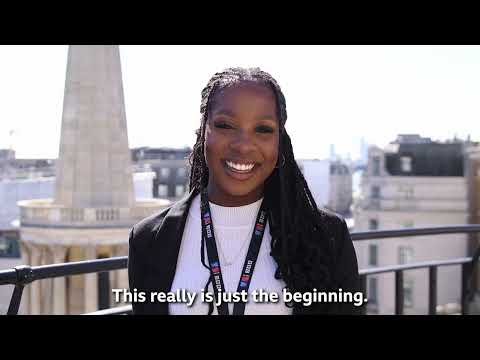
Apprenticeships at the BBC
Questions about BBC apprenticeships
How old do you have to be for a BBC apprenticeship?
18 or over. You also need to have lived in the UK for the three years before you start, and have the right to work full-time in the UK throughout.
How much do BBC apprentices get paid?
£24,650 to £26,000 depending on the scheme, plus a living allowance for roles in London and the Channel Islands. You also get 25 days' holiday and a pension. Compare that with the legal minimum in our apprentice pay guide.
How many apprentices does the BBC take on?
Around 200 a year, across production, journalism, engineering and operations, digital technology and data, and business.
Do you need experience to get a BBC apprenticeship?
No. The BBC says it isn't after loads of experience, and its Level 2 apprenticeships are aimed at people with no previous experience. Taster days and virtual work experience are a good first step.
Does a BBC Level 6 apprenticeship include a degree?
Not always. The BBC says not all of its Level 6 apprenticeships include a degree qualification, so check the scheme details.
Sources and review
Last reviewed . Details can change after this date, so check the official source before you rely on them.